🐄
01Treat livestock
Livestock receive long-lasting ivermectin.
 Long-Lasting ivermectin in livestock
The LLIMA trial is testing whether treating livestock with long-lasting ivermectin can reduce malaria vector populations and malaria cases.
Discover the trial →Livestock are treated with long-lasting ivermectin drug. Mosquitoes take a blood meal from treated livestock and die. LLIMA is testing whether this can sufficiently reduce mosquito numbers and malaria transmission in people.
Livestock receive long-lasting ivermectin.
Mosquitoes take a blood meal from treated animals.
Ivermectin ingested from treated animals reduces mosquito survival and reproduction.
The trial measures whether this leads to fewer malaria cases.
Pastoralist livelihoods, outdoor exposure and a changing vector landscape mean malaria control needs to fit local realities.
Explore the challenge →LLIMA is an integrated One Health study that will follow malaria cases, mosquitoes, livestock and communities across a 3-year period.
How the trial works →The study is based in pastoralist communities in Turkana, where people and livestock live in close contact.
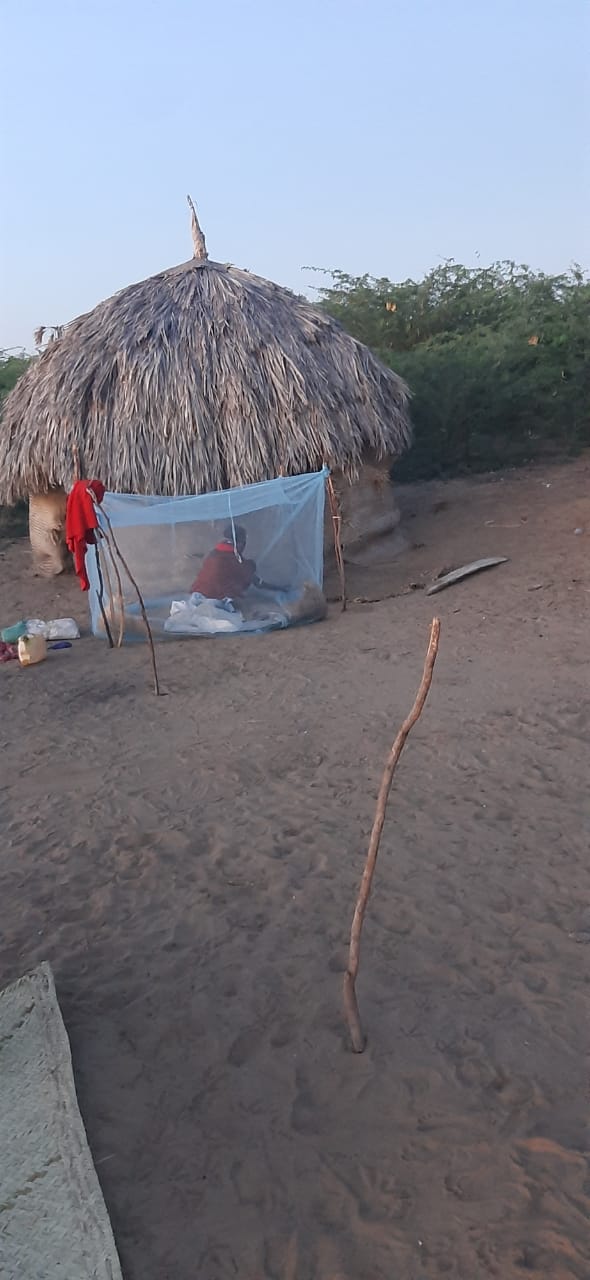
Explore the study setting →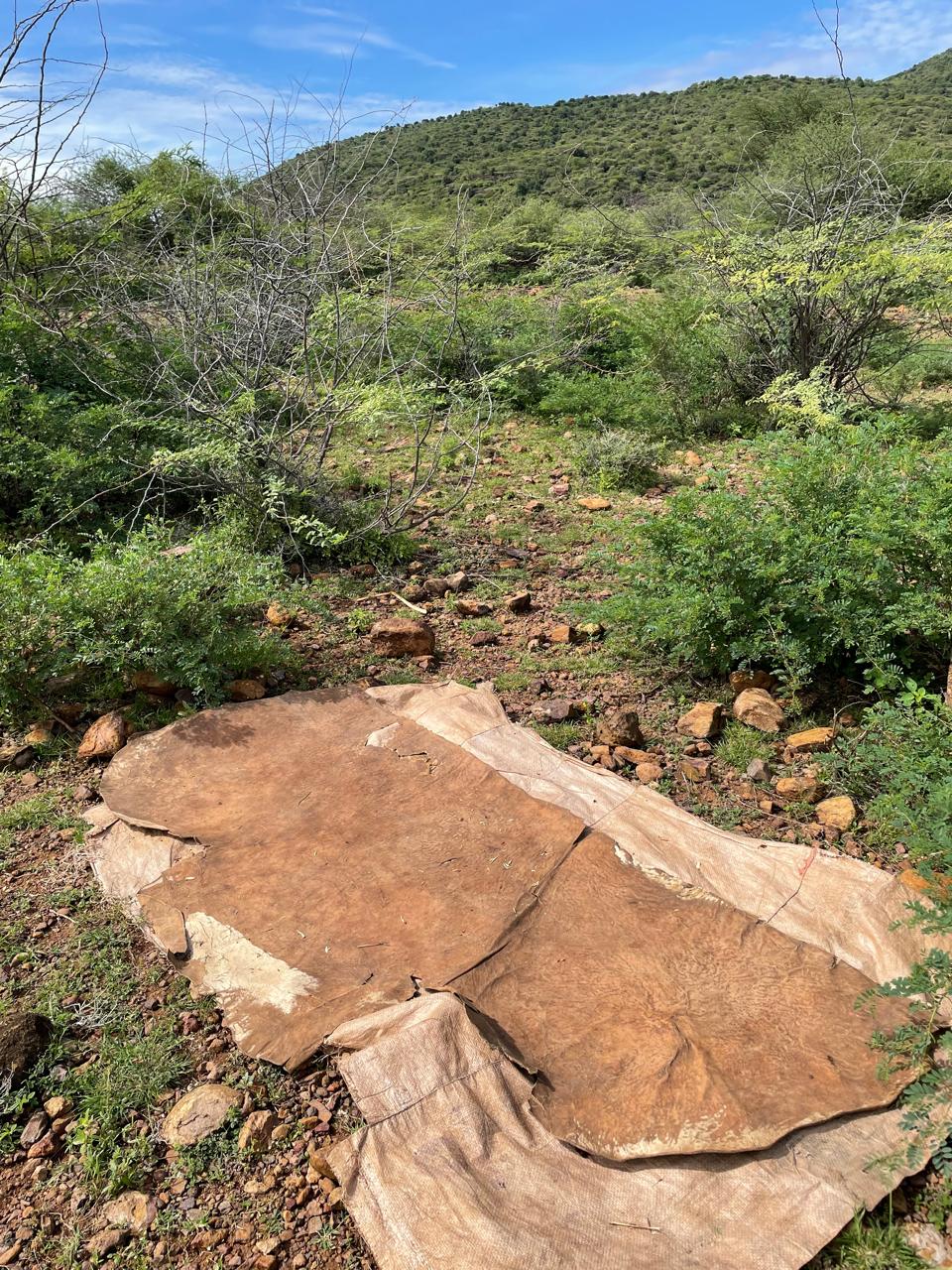 Outdoor sleeping space in the study setting
LLIMA stands for Long-Lasting ivermectin in livestock for malaria control in Kenya in response to Anopheles stephensi invasion. It is a UKRI-MRC funded four-year project evaluating long-lasting ivermectin-based livestock mass drug administration as a novel intervention against malaria in pastoralist settings of Turkana County, Kenya.
Turkana faces a rapidly growing malaria burden, with pastoralist and refugee communities disproportionately affected. Local realities challenge interventions focused mainly on indoor exposure: people may sleep or spend substantial time outdoors, livestock are kept close to households, and mobility changes with seasons and grazing conditions.
LLIMA therefore investigates a complementary approach aimed at mosquitoes that feed on animals. The arrival of invasive vectors, including Anopheles stephensi, adds urgency: this vector can exploit urban and peri-urban environments, bite outdoors and feed on animals.
Explore the work packages →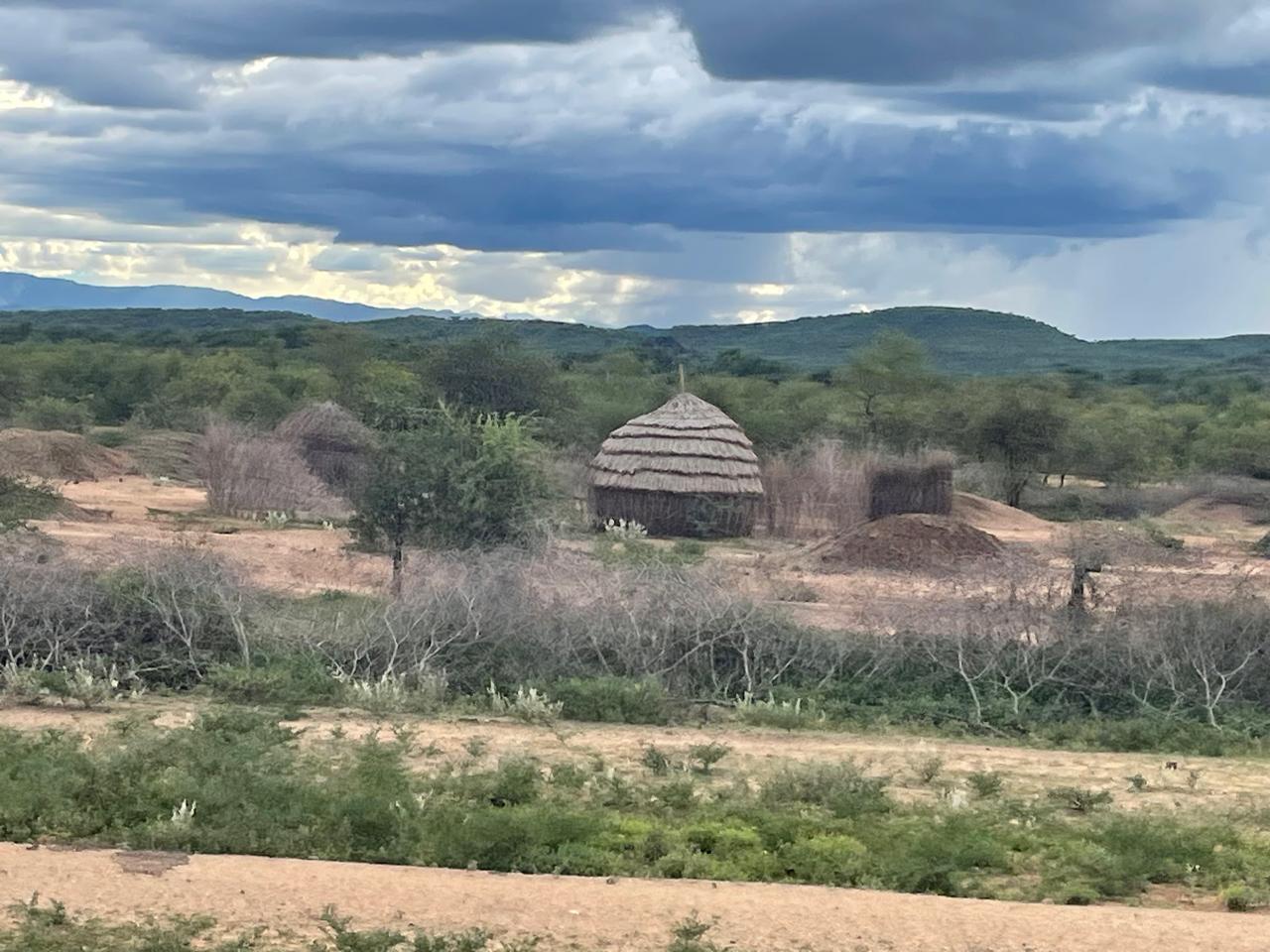
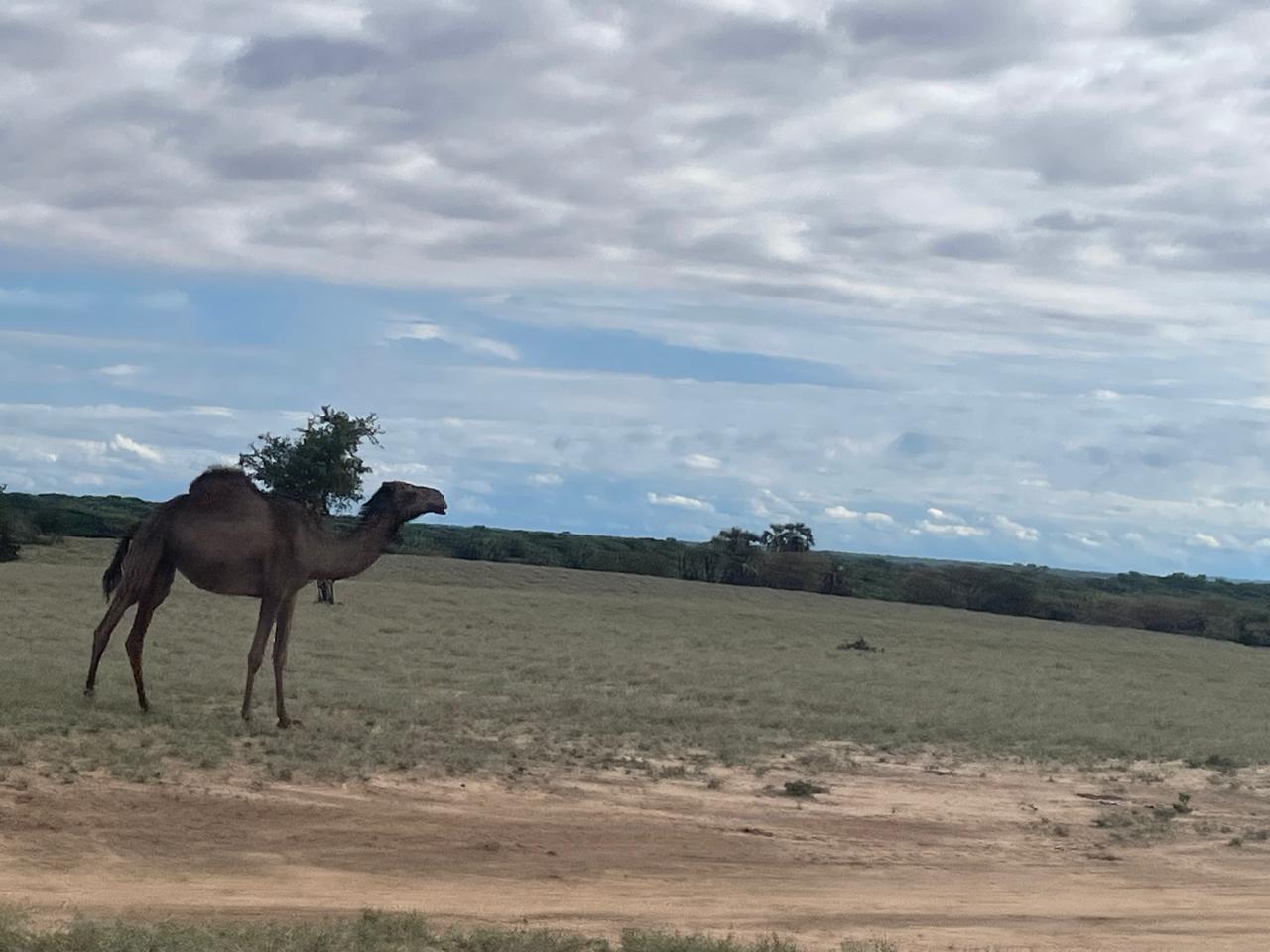
LLIMA integrates human malaria outcomes, mosquito ecology, livestock systems and social context. Each work package informs the others throughout the formative and trial phases.
Measures symptomatic malaria incidence and prevalence before and after the intervention using community-based active case detection.
Team: Wendy O’Meara, Diana Menya, Marta Maia, Brian BartilolCharacterises Anopheles species distribution, host choice, breeding sites and pathogen infection, and measures the effect of livestock-targeted ivermectin on malaria vector populations.
Team: Kevin Kobylinski, Joseph Mwangangi, Marta Maia, Caroline Wanjiku, Brian BartilolStudies herd size, livestock mobility, husbandry, intervention delivery, animal production and environmental effects.
Team: Eric Fèvre, Keli Gerken, Buke YussufExplores social, cultural, and economic factors shaping implementation, acceptability and integration of One Health interventions for malaria control.
Team: Caroline Jones, Dorothy Oluoch, Truphena OnyangoThe study evaluates whether mass drug administration of long-lasting ivermectin to eligible livestock reduces symptomatic malaria incidence in people. Intervention livestock receive long-lasting ivermectin twice per year, three months apart; control livestock receive a benzimidazole dewormer known not to have any effect on mosquitoes.
Health-facility data and formative research characterise malaria burden, bomas, livestock systems and community context.
Thirty bomas per study arm are followed. Community Health Promoters visit regularly and test symptomatic participants with malaria rapid diagnostic tests.
Eligible livestock in the intervention arm receive long-lasting ivermectin; control livestock receive a standard benzimidazole dewormer.
Malaria incidence, prevalence, mosquito ecology, livestock outcomes and implementation experience are compared over time.
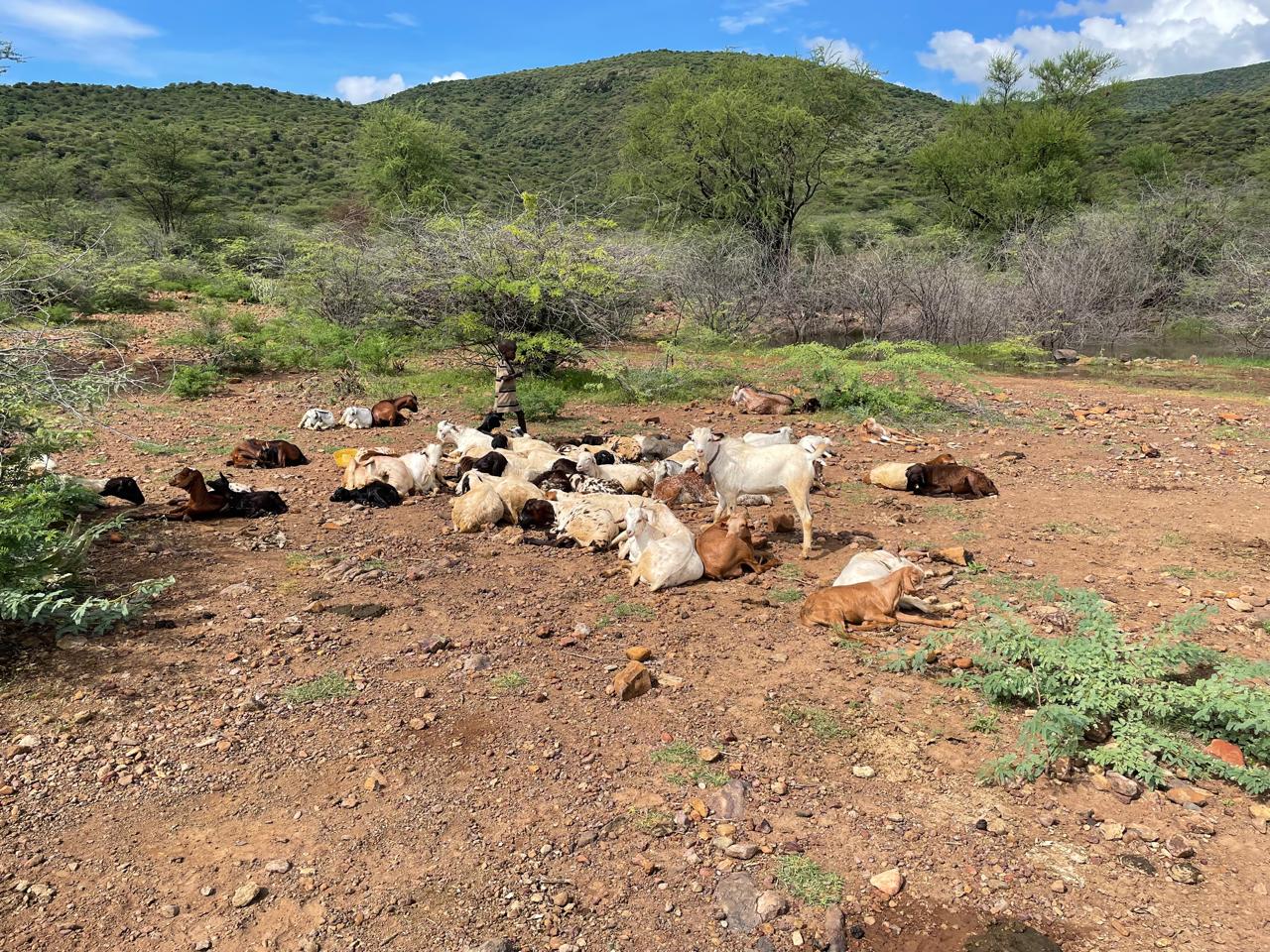
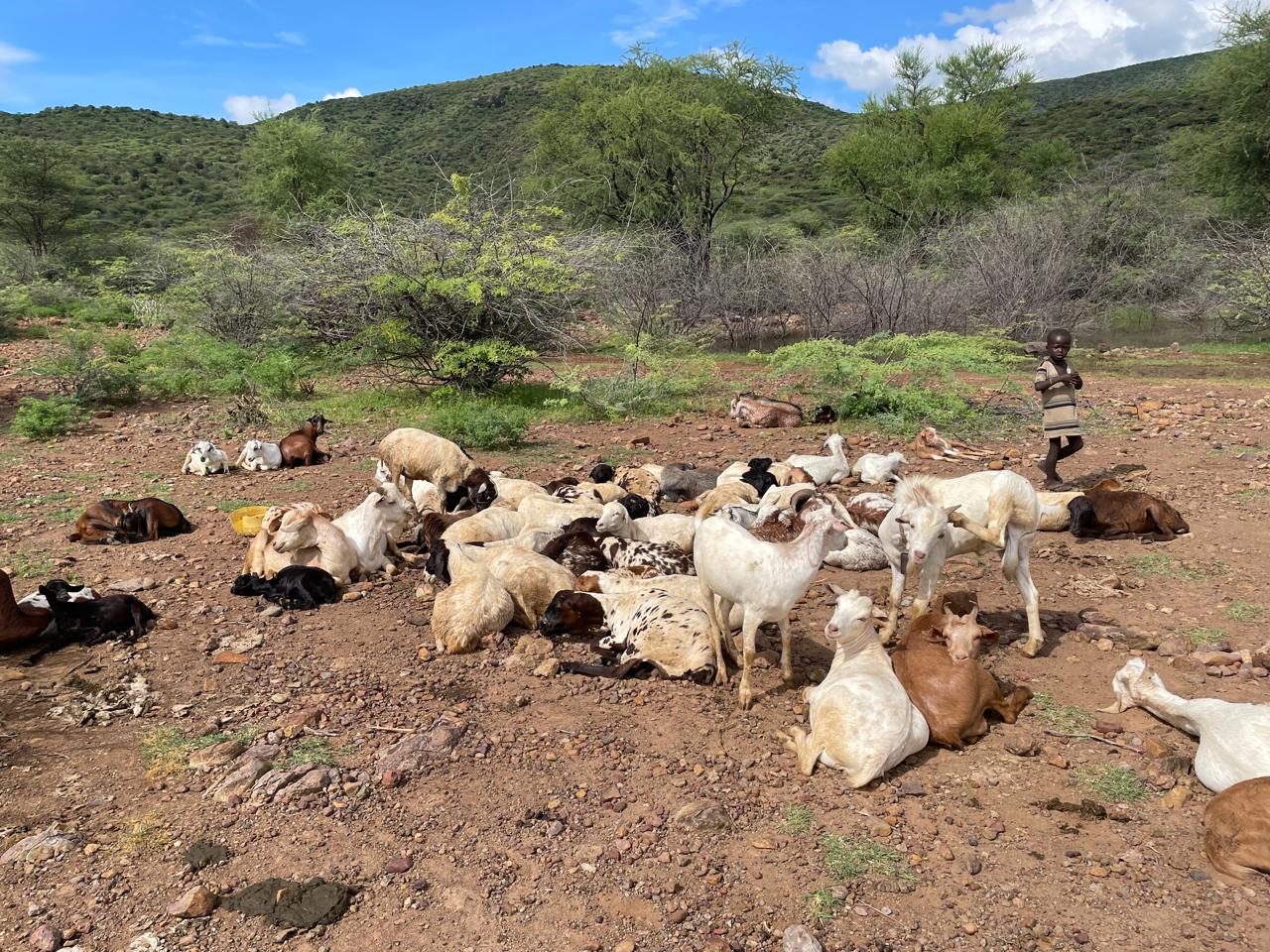 Livestock in the study setting
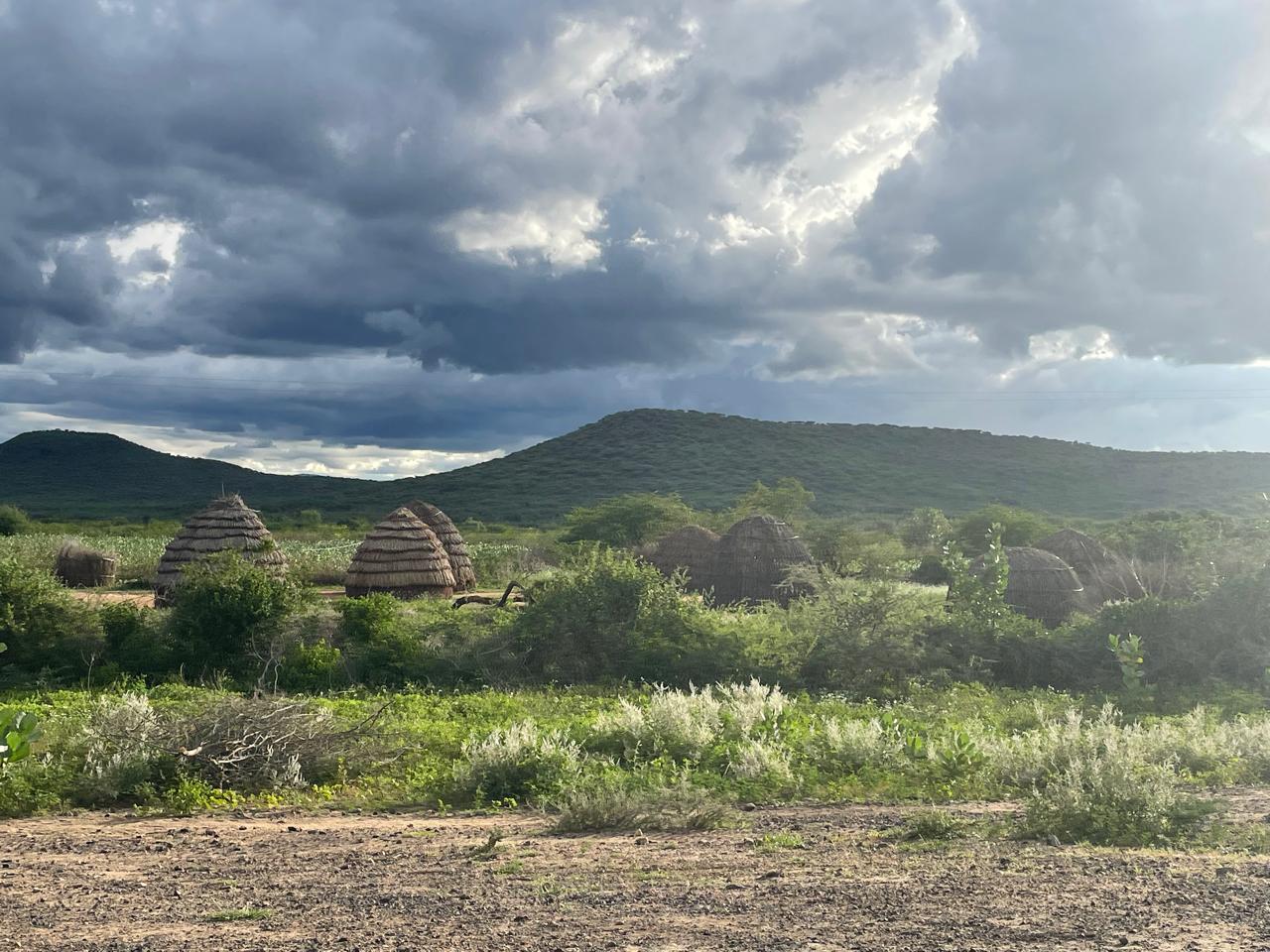
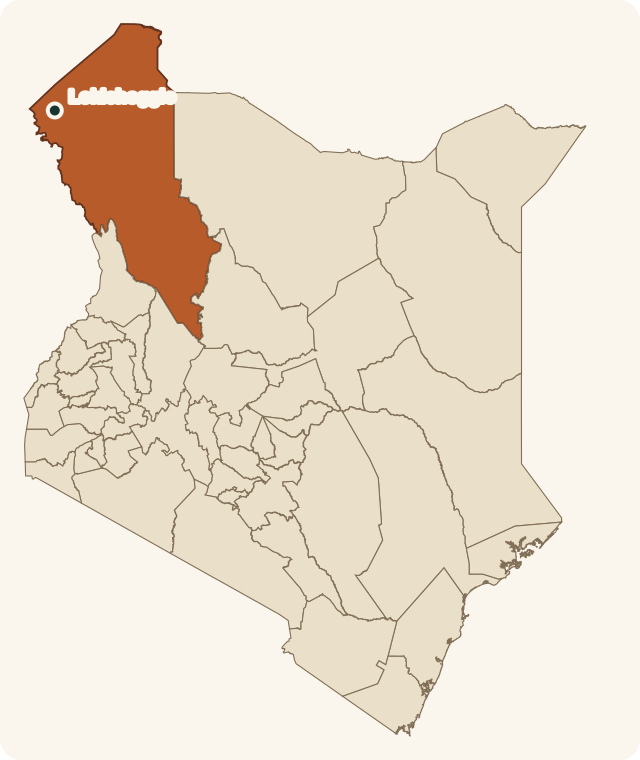
LLIMA is working in north-western Turkana, a pastoralist setting where livestock mobility, outdoor activity and seasonal ecology shape everyday life and malaria exposure.
Turkana has experienced a marked increase in malaria burden. The Kenya Malaria Strategy 2023–2027 categorises Turkana as a high-burden county, and recent reporting describes a shift from seasonal outbreaks toward endemic transmission, with malaria prevalence reported at 39%.
Insecticide-treated nets remain important, but local realities can limit protection. People may sleep or spend evenings outdoors, and nets used outside can face greater wear than under conventional indoor use. LLIMA is investigating a complementary intervention designed around this pastoralist setting.
Lokichoggio is the focal study area for characterising mosquito ecology and evaluating the livestock-targeted intervention.
LLIMA brings together malaria, One Health, entomology, animal ecology, molecular biology and social science expertise across partner institutions.
KEMRI-Wellcome Trust / University of Oxford

Duke Global Health / Moi University
Moi University

ILRI / University of Liverpool
ILRI / Wageningen University & Research

KWTRP / University of Oxford
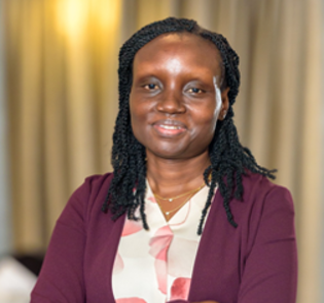
KEMRI-Wellcome Trust
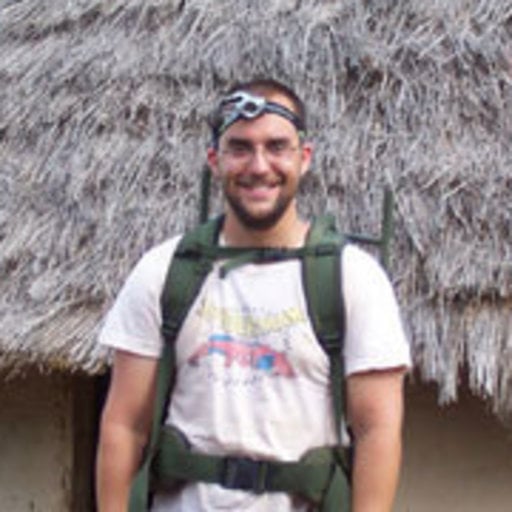
Mahidol Oxford Tropical Medicine Research Unit
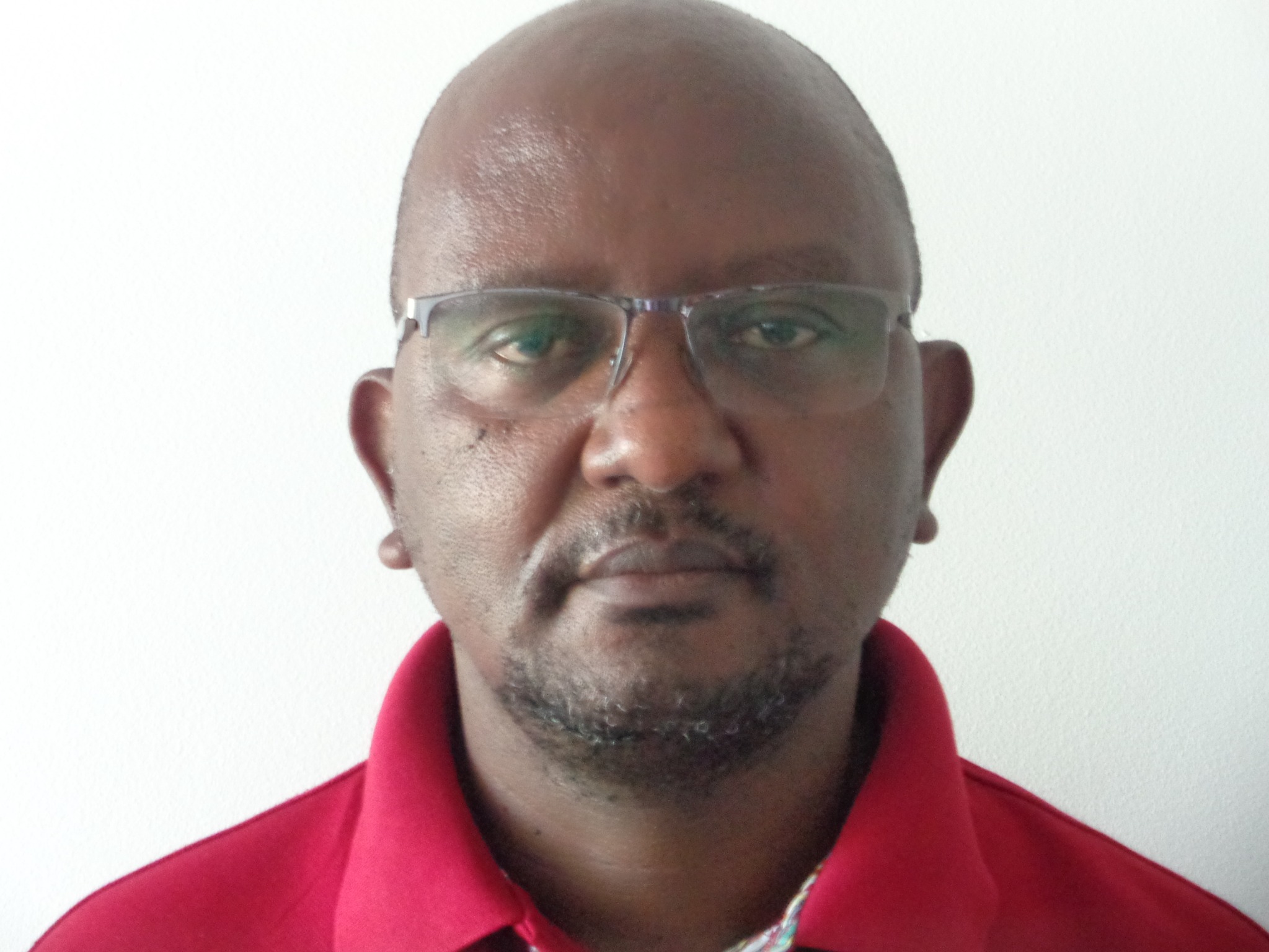
KEMRI
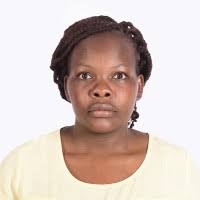
LLIMA consortium

ILRI

KEMRI-Wellcome Trust


The trial brings together expertise across Kenyan and international research institutions, health programmes and public-sector partners.





Updates from the LLIMA team will appear here as the project progresses.
Field activities, milestones, meetings and project news will be added here.
Trial registration, publications, protocols and other project resources will be added as they become available.
Links to the trial registry and project outputs will appear here.